Steward your school from the strength of its source.
Itasca is a year-long rhythm of retreat, coaching, and board renewal for heads of classical schools. Formation, not management — anchored in the school's true source.
True head. True source. The Latin name Henry Schoolcraft gave the lake where the Mississippi begins — and where every faithful year for your school must begin again.
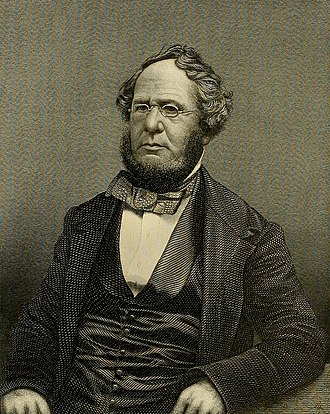
He stepped into a small brook and found the source of a river.
July 13, 1832. The headwaters of the Mississippi.
On July 13, 1832, Henry Rowe Schoolcraft stepped into a small brook to take the final steps that would consummate his grueling expedition. Ahead lay a cusp — a slight break of stones where the waters of a quiet, spring-fed lake tumbled over and became the waters of a river, a great river, the Mississippi. It was not yet the deep, muddy giant that swallows 250,000 tributaries and grows to divide the continent; yet it was that same essence in its infancy.
Schoolcraft had set out that spring from Sault Ste. Marie, Michigan, with a company of spartan pathfinders: Lieutenant James Allen, soldier and surveyor; the missionary, translator, and journalist William Boutwell; Dr. Douglas Houghton, physician and naturalist; the Ojibwe scout Ozaawindib; and a crew of French-Canadian voyageurs — iron-shouldered haunts of the fading fur trade. Together they endured brutal portages, flooding storms, and mosquitoes ravenous and thick as a plague of locusts, all to prevail where other expeditions had fallen short.
Schoolcraft had found the Headwaters.
Standing there, catching sight of one thing becoming something else, he searched for a fitting name. Dusting off his Latin, he recovered veritas, truth, and caput, head. From the marrow of these two words, Schoolcraft divined a name: Itasca — the true head.
Every classical school begins at its headwaters.
And then the expedition begins in earnest.
What Schoolcraft understood — and what every classical board and headmaster learns, usually the hard way — is that the challenge was never in naming the source. The danger comes at the portages, the brutal, unglamorous, load-bearing, blister-busting work of translating vision into practice. The toil comes here — negotiating budget shortfalls, searching for qualified hires, aligning board members who either abdicate or overreach their authority, equipping faculty who love the mission but have never been formed in it, engaging parents whose reasons for choosing the school don't fully align with its essence, satisfying sponsoring organizations whose stake introduces competing voices that cloud clarity and complicate priorities.
Most classical schools do not drift because they lack direction. They drift because their portages are never properly outfitted. Most corporate frameworks being sold into the classical sector cannot guide this journey, for they were designed for a different kind of institution, with a different telos. A classical school is not a mechanism or machine. It is a living system — depicted more by a flowing stream than an org chart. Frameworks that fail to recognize this will, over time, taint and even deform the very projects they intend to serve.
The school is drifting.
Mission statements that no one can recite from memory. Faculty meetings that solve symptoms instead of forming a body. A board that approves rather than stewards. Strategic plans that live in a drawer until next August.
The headmaster is alone.
The conversations you most need to have — about whether the year is faithful to the source, about whether you are still being formed and not just emptied — are the conversations no one in your building can have with you.
The frameworks are foreign.
The corporate operating systems being sold into the classical sector were built for a different kind of institution, for a different telos. A school is not a machine. It is a body. The frameworks that treat it otherwise will, over time, deform the thing they were meant to serve.

We have made the trek.
Our team has spent decades working alongside leaders navigating challenging waters. Itasca’s proprietary consulting process instigates critical conversations that can steer boards from deadlock to consensus, span the chasms between vision and budget limits, and resolve authority/responsibility ambiguities. Our personalized cohort coaching process orients heads of school with a fitting leadership skillset, mindset and toolkit.
We know this terrain.
We have made the trek.
Itasca can guide your journey.
From source to flourishing.
The shape of the year you'll steward.
Source
Every faithful year begins where the school began — its mission, its virtues, its story. Strength flows downstream from here.
Tributaries
Headmaster, faculty, board, students, families, community. Six stakeholder relationships join the school's main current.
Confluence
The point at which each tributary's authority and responsibility is defined. Where every stakeholder relationship is given its proper role.
Banks
The rhythms, rituals, and tools of board and headmaster stewardship that keep the river inside its banks across the year.
Delta
What flows downstream and out: the Graduate Portrait and the Alumni Vision. What the school is for, made tangible.
Flourishing
What grows past the banks. A quarterly diagnostic on the school, the leaders who steward it, and the people the river feeds.
One year. One rhythm.
Everything needed to steward the school faithfully from one June to the next.
The Annual Retreat — two days.
Five sessions across two days with your full board and headmaster — moving the board from trust and shared story, through the school's source and the stewardship of its stakeholders, to the rhythms and direction that will carry the year ahead.
The Headmaster Coaching Cohort — twice monthly.
A small group of classical school heads, formed and challenged together. Structured agenda, shared accountability, the only kind of peer formation that actually outlasts the conference high.
Quarterly Board Coaching — four 90-minute sessions.
Working sessions with your full board. We revisit priorities, name new issues, and keep the year's work true to the source.
Ad Hoc Support — whenever it lands.
A hiring crisis. A difficult parent. A board conflict. The week your faculty meeting goes sideways. You have someone to call who already knows your story.
The Itasca Framework — written, owned, executable.
You leave the retreat with a stewardship plan your board owns and intends to execute. Not a binder. A working document, in plain English, that runs your year.
twelve-month commitment
Inaugural cohort: six schools.
Limited seats for this year.
If after the first retreat your board does not leave with a written stewardship plan it owns and intends to execute, we will refund the engagement in full.
Your board meetings close with named priorities your members can actually execute. Your faculty no longer asks what the school is for — they have internalized it, and you can hear it in how they teach. The story you tell prospective families is the story your school is actually living.
You walk into June not exhausted, but ready — with a year behind you that was tended, not survived, and a plan for the next that your board wrote with you, not for you.
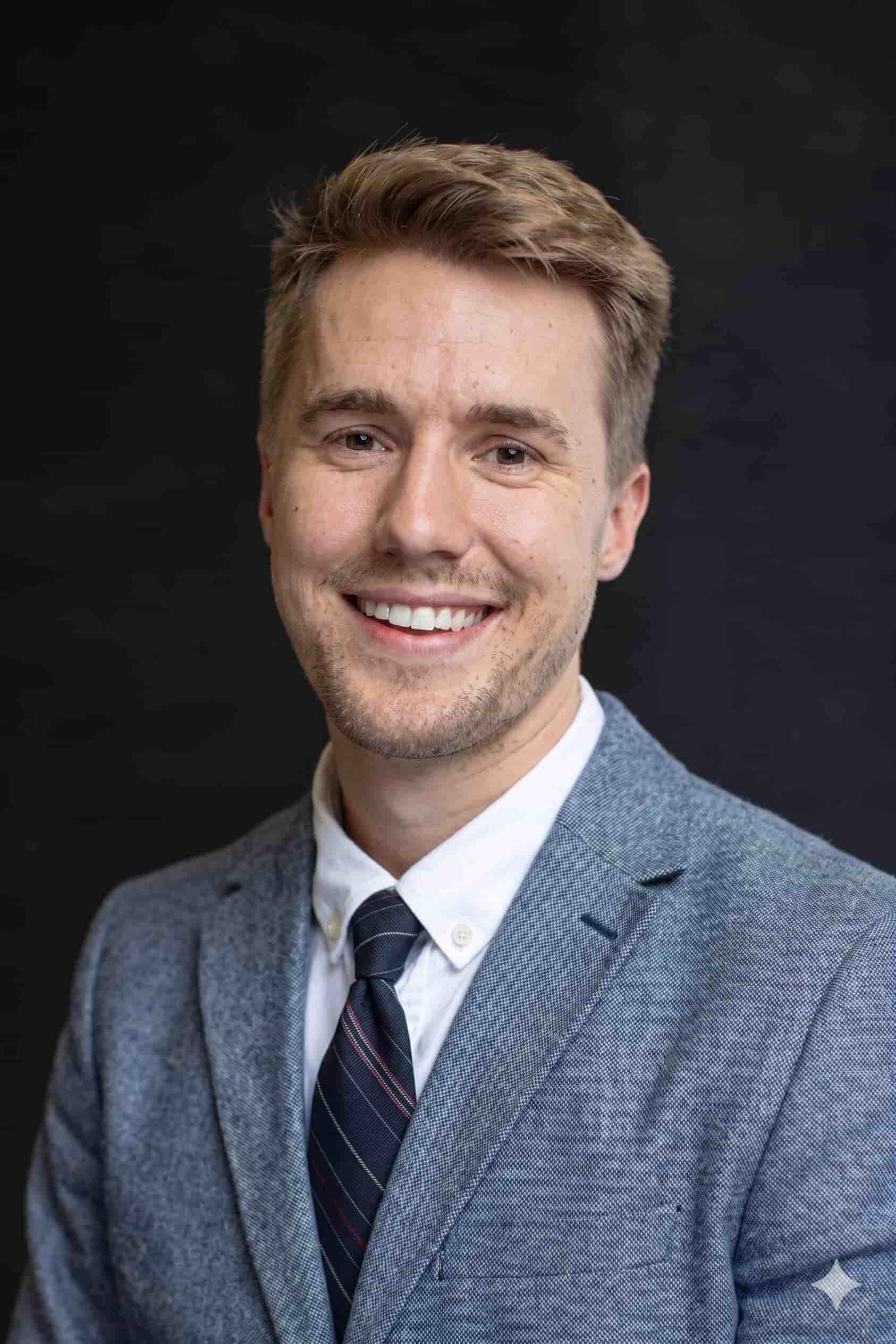
Michael Herringshaw
Masters of Classical Education, Hillsdale College
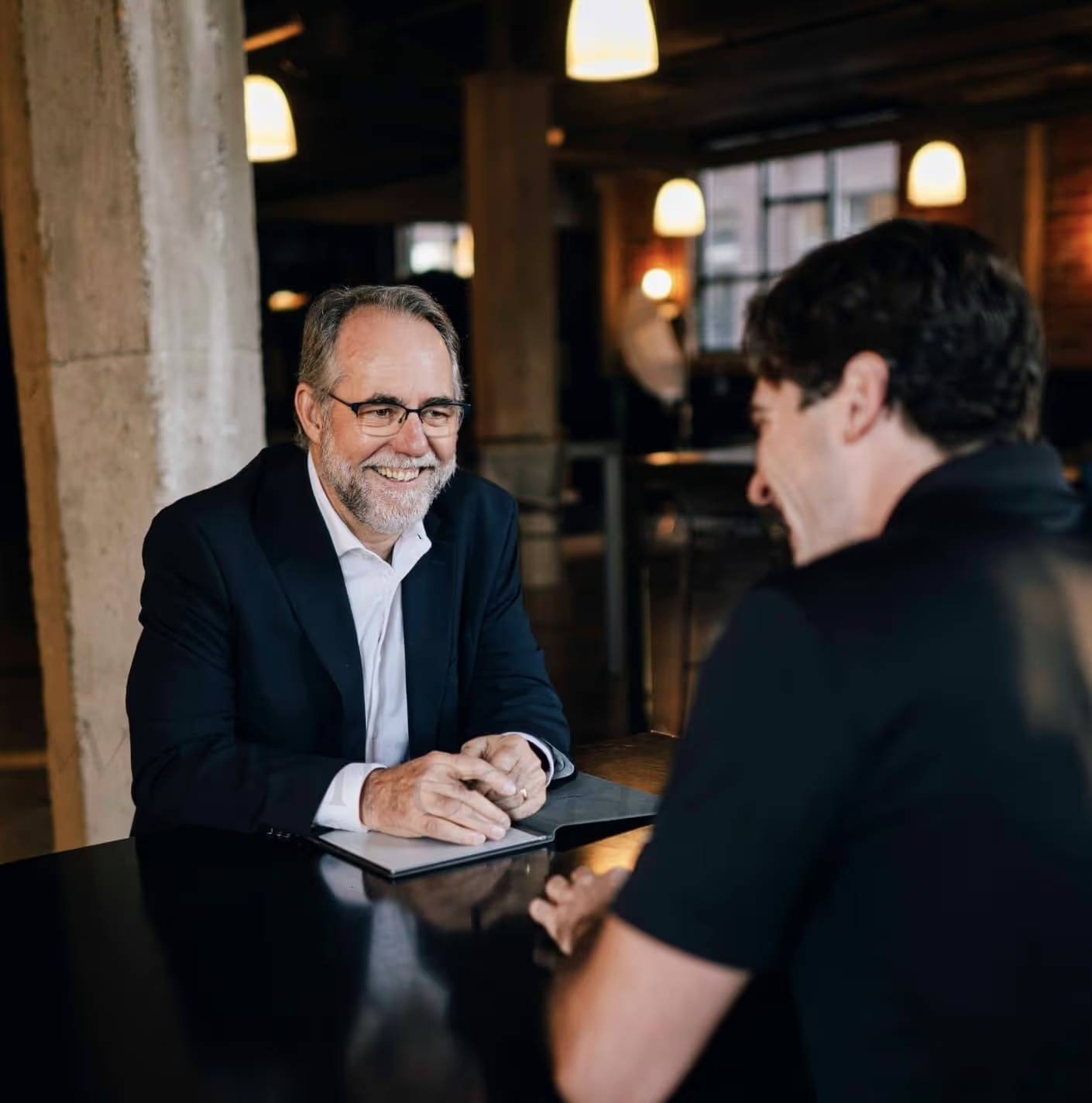
Dr. Mark Herringshaw
PhD in Organizational Leadership
Tend to the health of your school by starting at the source.
Six spots in the inaugural cohort.
Request a Conversation →